
This blog post serves as a comprehensive guide to candlestick patterns, a cornerstone of technical analysis. We’ll delve into the history, construction, and interpretation of these patterns, equipping you with the knowledge to identify potential trading opportunities and enhance your market analysis skills. Through detailed explanations, illustrative charts, and practical examples, we’ll explore both single and multiple candlestick patterns, empowering you to make more informed trading decisions.
Introduction to Candlestick Patterns
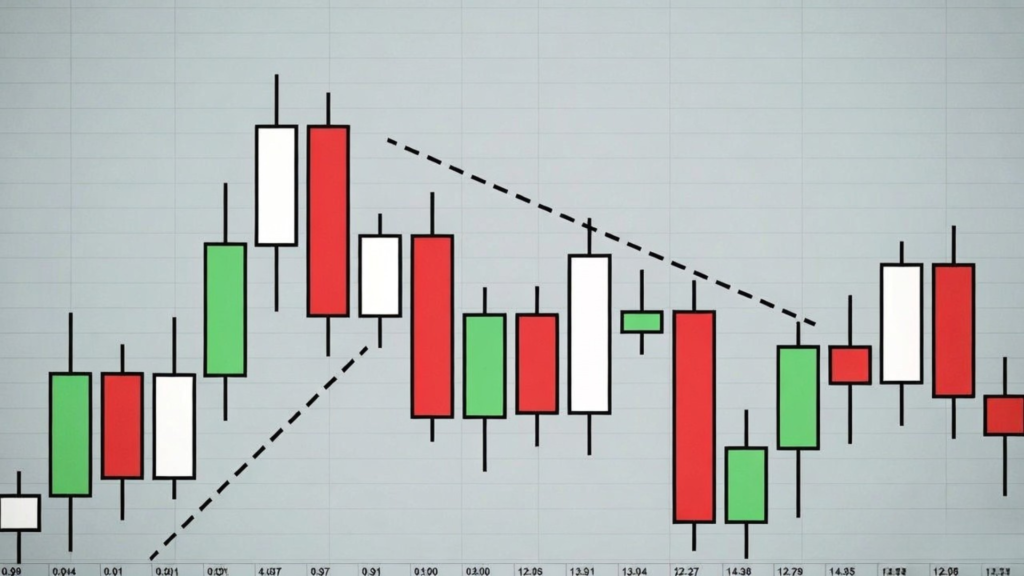
Candlestick patterns are a visual representation of price movements over a specific period. Originating in 18th-century Japan, where they were used to track the price of rice, these patterns offered valuable insights into market sentiment and potential future price direction. Unlike simple line charts that only display closing prices, candlestick charts provide a more detailed picture by showing the open, high, low, and close prices for each period.
Why Use Candlestick Patterns?
Visual Clarity: Candlestick charts are visually appealing and easy to interpret, making it simple to identify potential trading opportunities.
Early Signals: They can provide early signals of potential trend reversals or continuations, allowing traders to react quickly to market changes.
Sentiment Analysis: Candlestick patterns reflect the collective psychology of buyers and sellers, offering insights into market sentiment.
Versatility: They can be used in conjunction with other technical indicators to confirm signals and improve trading accuracy.
Anatomy of a Candlestick
Each candlestick represents the price action for a specific time frame (e.g., one day, one hour, or one minute). It consists of three main components:
Body: The body represents the range between the open and close prices. A filled or colored body (typically red or black) indicates that the closing price was lower than the opening price (bearish candle), while a hollow or white body indicates that the closing price was higher than the opening price (bullish candle).
Wicks (Shadows): The wicks, also known as shadows, represent the highest and lowest prices reached during the period. The upper wick extends from the top of the body to the highest price, while the lower wick extends from the bottom of the body to the lowest price.
Color: The color of the candlestick indicates whether the price closed higher or lower than it opened. Green or white candles typically represent bullish movement, while red or black candles represent bearish movement.
Single Candlestick Patterns
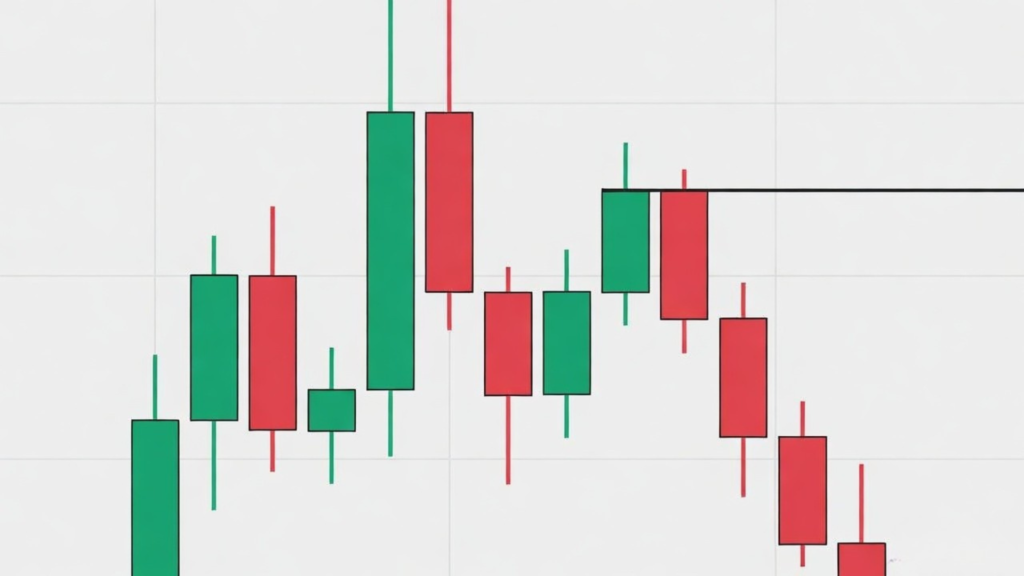
Single candlestick patterns are formed by a single candlestick and can provide valuable insights into market sentiment.
- Doji
A doji is characterized by a small body, indicating that the opening and closing prices were nearly equal. The length of the wicks can vary. Dojis suggest indecision in the market, where neither buyers nor sellers were able to gain control.
Interpretation: A doji can signal a potential trend reversal, especially after a prolonged uptrend or downtrend. It suggests that the previous trend is losing momentum, and a change in direction may be imminent.
- Hammer and Hanging Man
The Hammer and Hanging Man patterns have the same shape: a small body with a long lower wick and a short or nonexistent upper wick. The key difference lies in the preceding trend.
Hammer: Occurs after a downtrend and signals a potential bullish reversal. The long lower wick indicates that sellers initially pushed the price lower, but buyers stepped in and drove the price back up, suggesting a shift in momentum.
Hanging Man: Occurs after an uptrend and signals a potential bearish reversal. The long lower wick indicates that sellers were able to push the price lower, suggesting that the uptrend may be losing steam.
- Inverted Hammer and Shooting Star
The Inverted Hammer and Shooting Star patterns also share the same shape: a small body with a long upper wick and a short or non-existent lower wick. Again, the preceding trend determines the pattern’s interpretation.
Inverted Hammer: Occurs after a downtrend and signals a potential bullish reversal. The long upper wick indicates that buyers initially pushed the price higher, but sellers pushed it back down, suggesting that the downtrend may be weakening.
Shooting Star: Occurs after an uptrend and signals a potential bearish reversal. The long upper wick indicates that buyers were unable to sustain the upward momentum, and sellers took control, suggesting a potential trend reversal.
- Marubozu
A Marubozu is a candlestick with a long body and no wicks. It indicates strong buying or selling pressure throughout the period.
Bullish Marubozu: A bullish Marubozu (white or green) indicates strong buying pressure, suggesting that the price is likely to continue rising.
Bearish Marubozu: A bearish Marubozu (black or red) indicates strong selling pressure, suggesting that the price is likely to continue falling.
Multiple Candlestick Patterns
Multiple candlestick patterns are formed by two or more candlesticks and provide more reliable signals than single candlestick patterns.
- Engulfing Patterns
Engulfing patterns consist of two candlesticks where the second candlestick completely “engulfs” the body of the first candlestick.
Bullish Engulfing: Occurs after a downtrend. The first candlestick is bearish, and the second candlestick is bullish and completely engulfs the body of the first candlestick. This pattern signals a potential bullish reversal.
Bearish Engulfing: Occurs after an uptrend. The first candlestick is bullish, and the second candlestick is bearish and completely engulfs the body of the first candlestick. This pattern signals a potential bearish reversal.
- Harami Patterns
Harami patterns consist of two candlesticks where the second candlestick is contained within the body of the first candlestick.
Bullish Harami: Occurs after a downtrend. The first candlestick is bearish, and the second candlestick is bullish and completely contained within the body of the first candlestick. This pattern signals a potential bullish reversal.
Bearish Harami: Occurs after an uptrend. The first candlestick is bullish, and the second candlestick is bearish and completely contained within the body of the first candlestick. This pattern signals a potential bearish reversal.
- Piercing Line and Dark Cloud Cover
These patterns consist of two candlesticks and are reversal patterns.
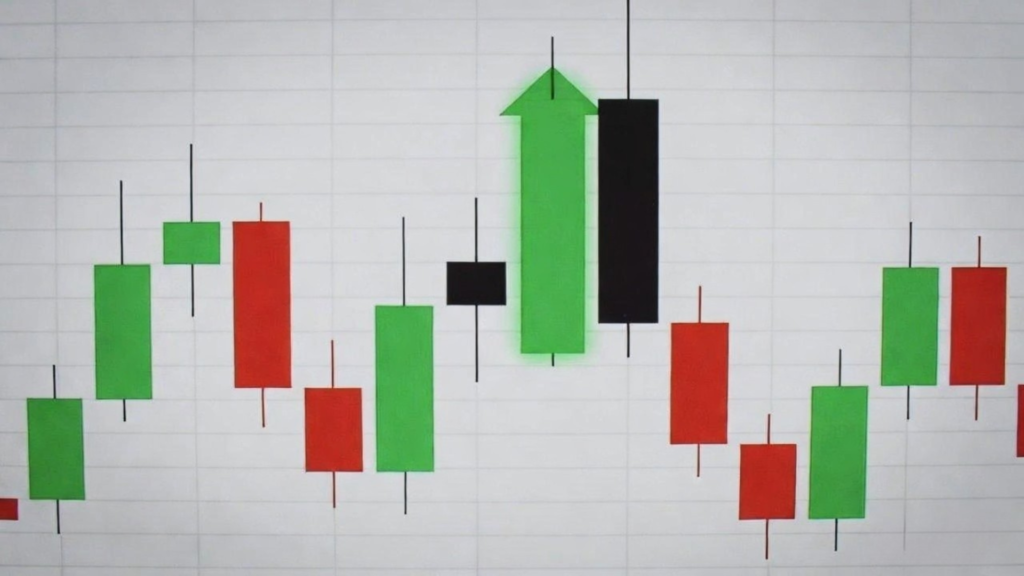
Piercing Line: Occurs after a downtrend. The first candlestick is bearish, and the second candlestick is bullish, opening below the low of the first candlestick and closing above the midpoint of the first candlestick’s body. This pattern signals a potential bullish reversal.
Dark Cloud Cover: Occurs after an uptrend. The first candlestick is bullish, and the second candlestick is bearish, opening above the high of the first candlestick and closing below the midpoint of the first candlestick’s body. This pattern signals a potential bearish reversal.
- Morning Star and Evening Star
These patterns consist of three candlesticks and are considered strong reversal patterns.
Morning Star: Occurs after a downtrend. The first candlestick is bearish, the second candlestick is a small-bodied candlestick (Doji or Spinning Top), and the third candlestick is bullish and closes well into the body of the first candlestick. This pattern signals a potential bullish reversal.
Evening Star: Occurs after an uptrend. The first candlestick is bullish, the second candlestick is a small-bodied candlestick (Doji or Spinning Top), and the third candlestick is bearish and closes well into the body of the first candlestick. This pattern signals a potential bearish reversal.
- Three White Soldiers and Three Black Crows
These patterns consist of three consecutive candlesticks and are continuation patterns.
Three White Soldiers: Occurs after a period of consolidation or a downtrend. It consists of three consecutive bullish candlesticks, each closing higher than the previous one. This pattern signals a potential continuation of the uptrend.
Three Black Crows: Occurs after a period of consolidation or an uptrend. It consists of three consecutive bearish candlesticks, each closing lower than the previous one. This pattern signals a potential continuation of the downtrend.
Combining Candlestick Patterns with Other Technical Indicators
While candlestick patterns can provide valuable insights, it’s essential to use them in conjunction with other technical indicators to confirm signals and improve trading accuracy. Some popular indicators to combine with candlestick patterns include:
Moving Averages: Moving averages can help identify the overall trend and provide support and resistance levels.
Relative Strength Index (RSI): RSI can help identify overbought and oversold conditions, which can confirm potential reversal signals.
Moving Average Convergence Divergence (MACD): MACD can help identify trend changes and potential buy or sell signals.
Volume: Volume can confirm the strength of a trend or reversal.
Practical Tips for Trading with Candlestick Patterns
Identify the Trend: Before looking for candlestick patterns, identify the overall trend of the market. This will help you determine whether to look for bullish or bearish patterns.
Confirm Signals: Don’t rely solely on candlestick patterns. Use other technical indicators to confirm signals and improve trading accuracy.
Consider the Context:Pay attention to the context in which the pattern appears. A pattern that occurs at a key support or resistance level.